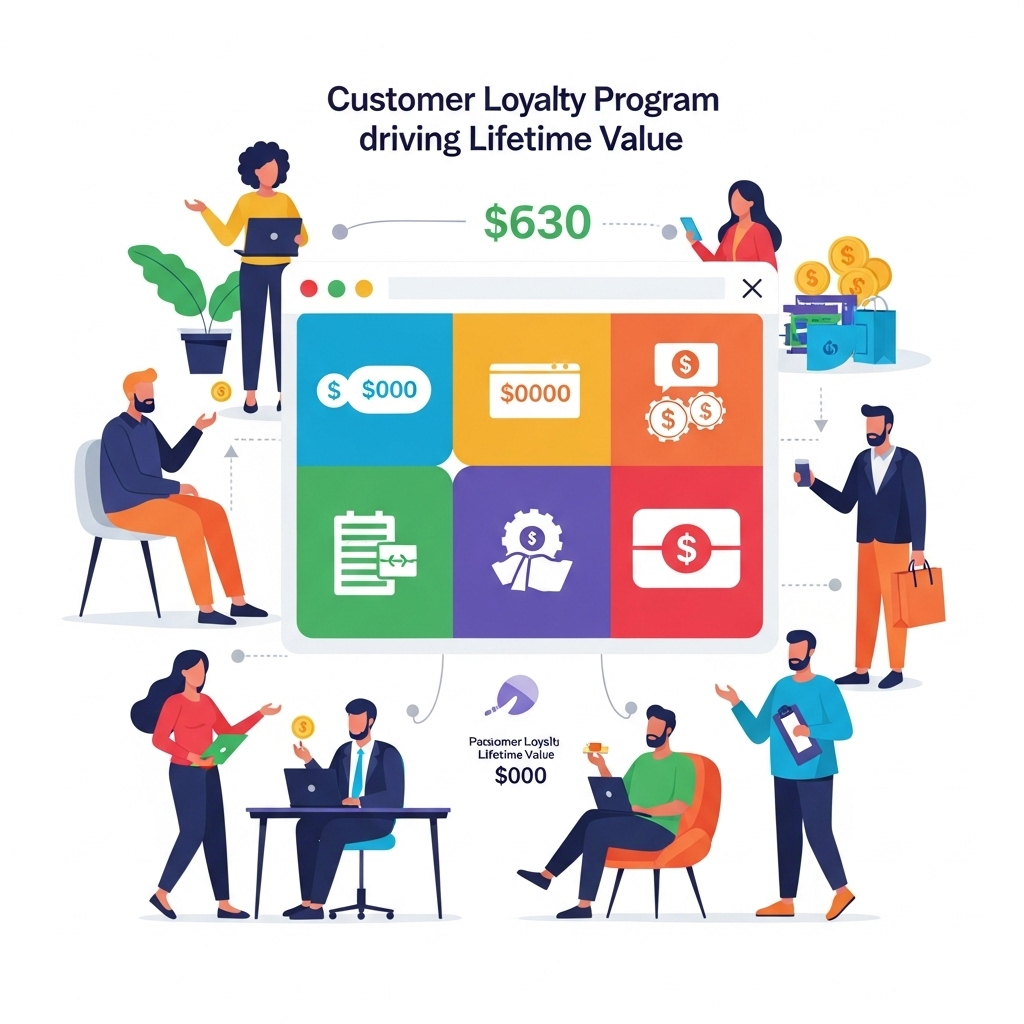
Beyond the Funnel: How to Build a Customer Loyalty Program That Drives Lifetime Value
It’s Not Over After the Sale
About 12 years ago, I saw a small coffee subscription startup in Bangalore struggling with stagnant growth. They had a brilliant product and fantastic customer service, yet they were bleeding churn month after month. The founder was focused solely on acquiring new customers—Facebook Ads, SEO, influencer shoutouts—but barely thought about what happened after a customer made a purchase.
That’s when I introduced them to a concept my friend used for decades: building a customer loyalty program that doesn’t just reward purchases, but nurtures relationships. Within 6 months, they saw a 28% increase in repeat customers and a 41% boost in customer lifetime value (CLV).
If you’re a startup founder or marketer, listen up. The real game begins beyond the funnel.
Why Loyalty Is Your Hidden Growth Engine
Let’s be real: acquisition is expensive. The average cost of acquiring a new customer has increased by over 60% in the last five years. Meanwhile, repeat customers are 5x more likely to repurchase, 4x more likely to refer, and 7x more likely to try a new offering.
Still, most startups pour 90% of their budget into acquisition and forget retention.
Here’s a truth bomb:
You don’t grow by adding more customers. You grow by keeping the right ones longer.
What Is a Customer Loyalty Program (Really)?
Forget the punch cards and generic point systems. A true loyalty program is a strategic system that nurtures long-term engagement. It’s not about bribing customers—it’s about rewarding value exchange and building emotional connection.
A good program should:
- Reward meaningful behaviors (not just purchases)
- Create a sense of exclusivity and belonging
- Integrate with your brand values and voice
- Encourage repeat business and referrals
Let’s break that down.
Step 1: Start with Your Best Customers in Mind
Look into your data. Who are your most profitable customers?
Not just in terms of spend—but in terms of:
- Repeat visits
- Social media engagement
- Reviews and referrals
Use your customer personas to design a program they’ll actually care about.
Example:
If you’re a fitness startup with high customer engagement on Instagram, why not reward content shares and transformation posts?
Step 2: Choose the Right Type of Loyalty Program
Here are a few types you can implement depending on your business model:
1. Points-Based System
Perfect for eCommerce and B2C. Customers earn points for every purchase, review, or referral.
Example:
A DTC skincare brand gives 10 points per $1 spent, and 200 points for writing a review.
2. Tiered Loyalty Program
Great for building aspiration and exclusivity. More engagement = higher status = better rewards.
Example:
A SaaS tool offers “Starter”, “Pro”, and “Elite” tiers based on usage, and unlocks features accordingly.
3. Subscription/Membership-Based
Ideal for community-focused brands. Pay a fee for premium access, early drops, or personal coaching.
Example:
A cooking platform offers members-only recipes, live classes, and kitchen gear discounts.
Step 3: Integrate with Your Brand Story
Your loyalty program shouldn’t feel like a bolted-on gimmick. It should reflect your brand tone, values, and mission.
Storytelling Tip:
Give your tiers meaningful names. For example, if you’re an eco-brand, your tiers could be “Seed,” “Sprout,” and “Tree.”
Also, tell a story:
“When you reach Sprout level, you’ve helped us plant 10 trees in your name. 🌱”
That’s emotional branding.
Step 4: Automate Without Losing the Human Touch
Use tools like Smile.io, LoyaltyLion, or Yotpo to build seamless loyalty workflows. Automate:
- Point tracking
- Referral rewards
- Milestone emails
But don’t forget the human connection.
Every month, I advise brands to randomly call a few loyal customers just to thank them. Or better—send a handwritten note.
Small gestures = lifelong loyalty.
Step 5: Create Feedback Loops and Iterate
Loyalty programs are not “set and forget.” Use analytics to measure:
- Repeat purchase rate
- Average order value
- Redemption rate
- Referral conversion rate
Then, test and optimize.
Real-World Example:
An online pet store I consulted had a low point redemption rate. After surveying customers, we learned that most wanted free grooming coupons, not dog treats. We tweaked the rewards—and saw a 2x increase in redemption within 30 days.
SEO Tip: Use Loyalty as a Content Engine
Don’t just build a loyalty program—talk about it.
- Create a landing page optimized for “brand name + rewards” or “brand name + loyalty program”
- Write blog posts:
“5 Ways to Earn Points with [Your Brand]”
“Meet Our Top Customers This Month” - Use images
Google loves internal linking—so connect loyalty pages to your homepage, blog, and product pages.
Common Pitfalls to Avoid
Even seasoned businesses mess this up. Here are traps to steer clear of:
🚫 Overcomplicating your rewards
Keep it simple. Customers should know how they earn and what they get within 10 seconds.
🚫 Ignoring your customers’ actual desires
Rewards no one wants = dead loyalty program.
🚫 No communication strategy
You need regular touchpoints—email, SMS, in-app nudges.
🚫 Only rewarding purchases
Value comes in many forms: feedback, content creation, referrals, survey participation.
Final Thoughts: Relationships > Funnels
Funnels end. Relationships don’t.
Your startup’s success isn’t tied to how many people you bring in. It’s in how many choose to stay, grow with you, and bring others along.
As someone who’s worked with over 120 startups in three decades, I’ll tell you this:
“Loyalty isn’t a tactic. It’s a philosophy.”
Build for people. Reward what matters. Make your brand unforgettable.